
SACRED REBELLION INSTITUTE · ORIGINAL RESEARCH
The framework the
industry was never
going to build for you. We built it anyway.
Seven cross-disciplinary research papers tracing the Mirror Dynamic from its earliest developmental origins through relational repetition, nervous-system patterning, shadow, generational inheritance, and the environments that shape us before we are old enough to choose.
One framework. Seven investigations. A different way of understanding why the same patterns keep returning and what it actually takes to interrupt them.
SCROLL TO EXPLORE
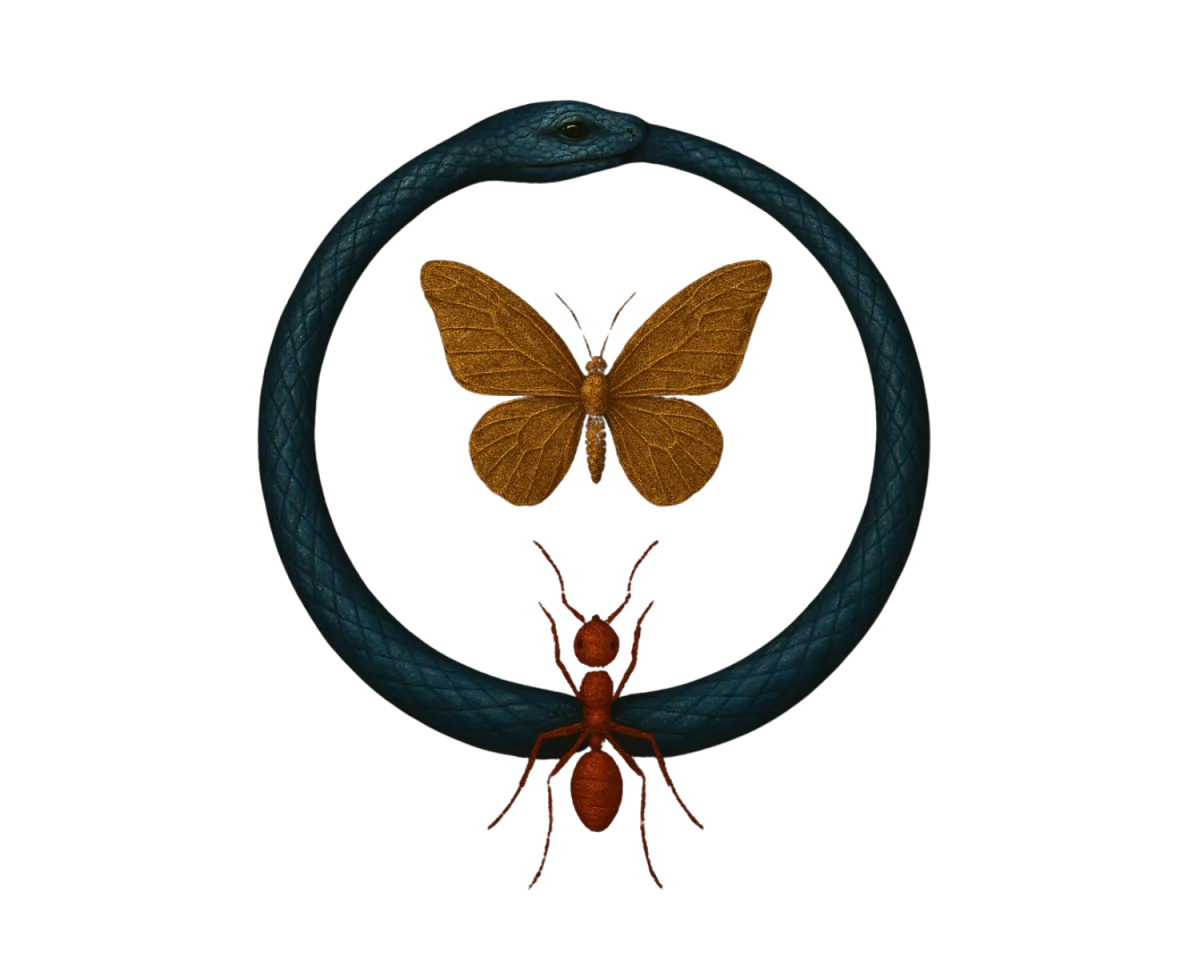
THE MIRROR DYNAMIC THEORY
One theory. The entire field. It challenges.
The Mirror Dynamic Theory is a cross-disciplinary research framework that challenges one of the most persistent assumptions in relational psychology and self-help: that the narcissist and the empath are psychological opposites, predator and prey, monster and saint, dark and light.
That binary can describe what the relationship looks like from the outside without fully explaining what keeps recreating it underneath. Mirror Dynamic shifts the question away from who is good and who is bad and toward the architecture beneath both adaptations: attachment, nervous-system patterning, identity formation, suppressed and hyper-developed empathy, inherited patterns, and the developmental environments in which those patterns first take shape.
The theory proposes that narcissistic and hyper-empathic adaptations can develop as divergent responses to related wounds. One protects the self through control, suppression, externalization, and defensive construction. The other protects it through attunement, accommodation, self-abandonment, and heightened orientation toward others. Their behaviors are not equivalent. Their adaptations are not identical. But beneath the opposing roles, Mirror Dynamic asks us to examine what both may be protecting and why they can become so powerfully organized around one another.
"It's not about light and dark. It's
not about good and evil. It's about ego. Wounded ego. Inflated ego. Abandoned ego. Both caught in
the same loop, just playing
opposite roles."
— RACHEL NORDAHL, THE MIRROR DYNAMIC
THEORY, 2026
I
ATTACHMENT & DEVELOPMENT
Bowlby · Schore · Siegel · Winnicott · Mahler · Fossha
II
TRAUMA & THE
NERVOUS SYSTEM
van der Kolk · Levine · LeDoux · Nader · Walker
III
DEPTH & SELF PSYCHOLOGY
Jung · Kohut · Kernberg · Hollis
IV
EMPATHY & SOCIAL NEUROSCIENCE
Decety · Rizzolatti · Keysers · Aron · Ekman
V
EPIGENETICS & INHERITANCE
Yehuda · Meaney · Dias · Ressler · Glover
VI
CONSCIOUSNESS & PERCEPTION
Goddard · Holmes · Murphy · Hill · Laszlo · Bohm
THE CENTRAL CLAIM · MIRROR DYNAMIC THEORY
“The dominant clinical narrative has positioned the narcissist and the empath as psychological opposites. This paper challenges that binary. What we call narcissistic personality and what we call hyper-empathy are not opposites; they are divergent armor, built in the same fire, protecting the same original wound.”
THE MIRROR DYNAMIC SERIES
SEVEN issues. One complete framework.
Each paper builds on the last. Together, the seven issues develop the complete Mirror Dynamic Theory, from the shared developmental wound and divergent adaptations of narcissism and hyper-empathy, through suppressed empathy, predictive patterning, shadow, perception, and the inherited architecture of the loop. All seven are fully referenced research papers, each examining a different layer of the same central question: why the pattern forms, why it repeats, and what it actually takes to break it.
I
ISSUE
FOUNDATION PAPER
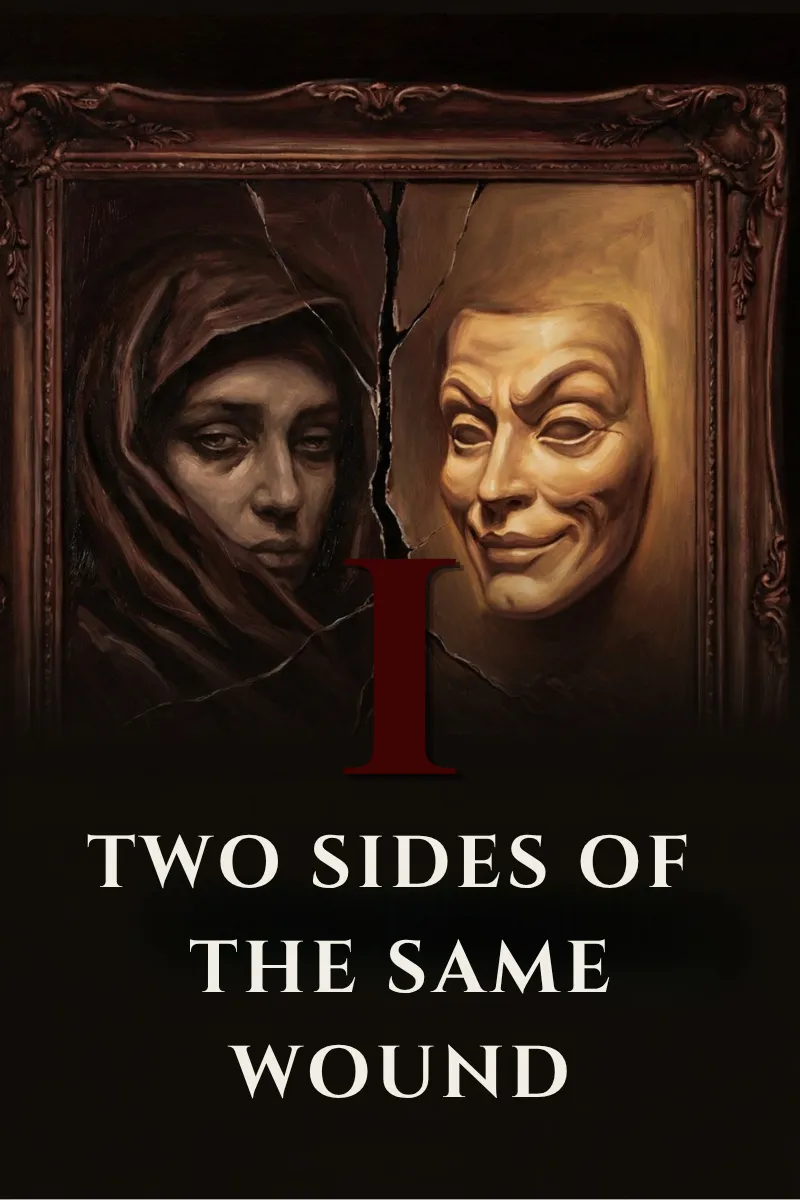
Two Sides of the Same Wound
Why Narcissists and Empaths Are Not Opposites and Why Modern Psychology Has Kept Both Trapped.
The paper that establishes the Mirror Dynamic Theory. It challenges the narcissist/empath binary and proposes that narcissistic and hyper-empathic adaptations can emerge as divergent survival responses to related developmental wounds. Drawing across attachment and trauma research, predictive neuroscience, depth psychology, empathy research, memory reconsolidation, and consciousness studies, it traces how the fractured self becomes organized into opposing roles, and why those roles can become powerfully drawn back into the same relational loop.
ATTACHMENT & TRAUMA
PREDICTIVE PROCESSING
DEPTH PSYCHOLOGY
EMPATHY RESEARCH
MEMORY RECONSOLIDATION
PDF · FULL RESEARCH PAPER
II
ISSUE
CLINICAL ANALYSIS
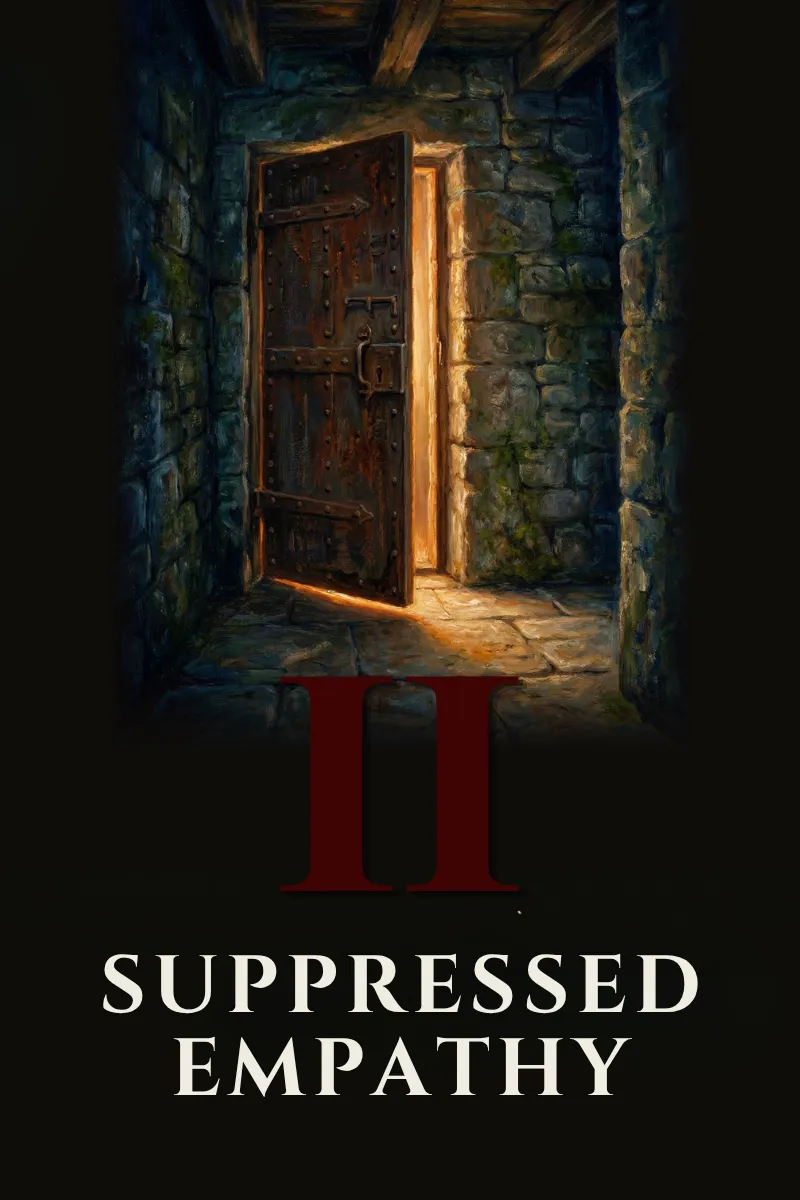
Suppressed Empathy
The Misdiagnosis That Changes Everything: How Three Words in the DSM Built an Industry and Left the Narcissist Without a Path Back.
The paper challenges one of the central assumptions surrounding narcissistic personality: that a “lack of empathy” means empathy is absent. Drawing on affective neuroscience, neuroimaging, psychodynamic research, and clinical literature, it examines evidence that empathic capacity may be suppressed, selectively accessed, or defensively inhibited rather than simply missing. That distinction changes the question from whether empathy exists to what happened to it, what keeps it inaccessible, and what would be required for it to return.
AFFECTIVE NEUROSCIENCE
NEUROIMAGING
EMPATHY RESEARCH
PSYCHODYNAMIC THEORY
CLINICAL PSYCHOLOGY
PDF · FULL RESEARCH PAPER
III
ISSUE
INTERVENTION FRAMEWORK
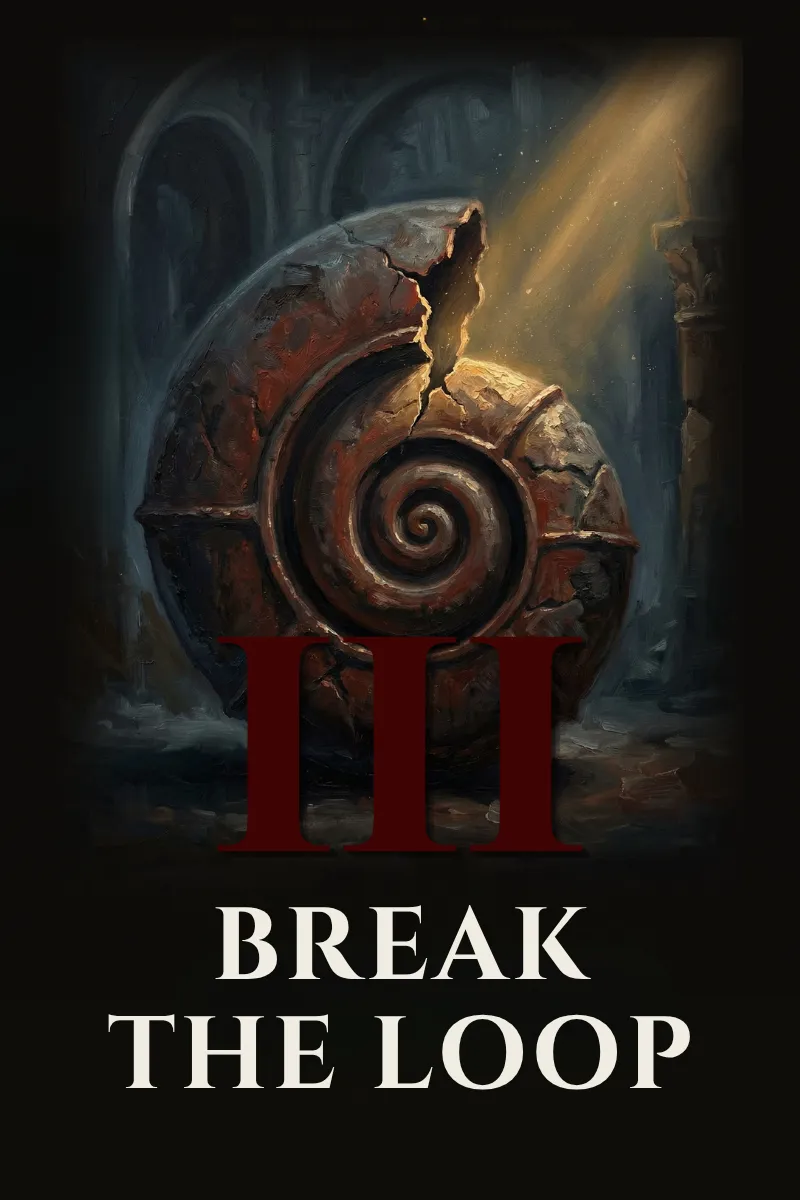
Break the Loop
The Only Three Gates That Actually Work, Environmental Severance, Somatic Completion, and Conscious Reconstruction.
The paper that moves Mirror Dynamic from explanation into interruption. It examines why recognizing the pattern, understanding its origins, or leaving the relationship may still fail to stop the loop when the underlying prediction remains encoded in the nervous system. Drawing across memory reconsolidation, somatic completion, predictive processing, and depth psychology, it identifies three gates through which the pattern can actually change: environmental severance, completion of the unfinished survival response, and conscious reconstruction of what the system expects next.
MEMORY RECONSOLIDATION
SOMATIC COMPLETION
PREDICTIVE PROCESSING
JUNGIAN INDIVIDUATION
TRAUMA NEUROBIOLOGY
PDF · FULL RESEARCH PAPER
IV
ISSUE
PERCEPTUAL SCIENCE
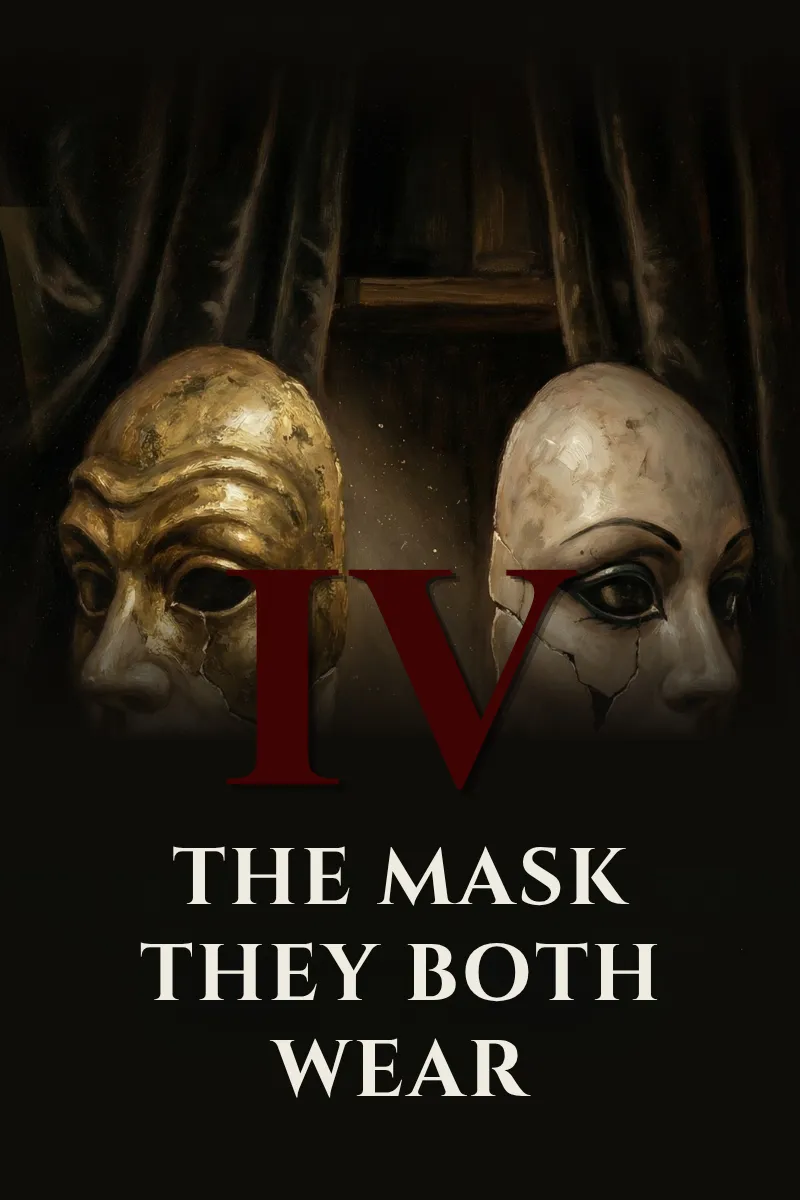
The Mask They Both Wear
Suppressed Empathy, Selective Mirroring, the Push-Pull Dynamic, and Why What We Call "Psychic" Is Actually Survival
The paper examines what happens when a nervous system becomes exceptionally skilled at reading what is not being said. It explores suppressed empathy, selective mirroring, the push-pull dynamic, and the heightened perceptual sensitivity often described as “psychic,” asking whether seemingly opposite behaviors can emerge from related survival architecture. Drawing across sensory processing, predictive neuroscience, trauma research, and studies of anomalous perception, it reframes the mask not as simple deception, but as an adaptive interface between the wounded self and the world it learned to anticipate.
PREDICTIVE NEUROSCIENCE
SENSORY PROCESSING
EMPATHY RESEARCH
TRAUMA NEUROBIOLOGY
ANOMALOUS PERCEPTION
PDF · FULL RESEARCH PAPER
V
ISSUE
SHADOW WORK
The Benevolent Vampire
The Empath's Shadow, the Light Worker Myth, and Why Absorbing Someone Else's Pain Is Not a Gift, It Is a Wound in Costume.
This paper turns the Mirror Dynamic inward on the empath identity itself. It examines how hyper-empathic sensitivity can become organized around absorption, caretaking, self-erasure, blurred self-other boundaries, and the need to be needed, patterns that may be celebrated as spiritual gifts while still functioning as survival adaptations. Drawing across Jungian shadow work, developmental psychology, somatic and trauma research, codependency literature, and systems theory, it distinguishes genuine empathic capacity from the wounded healer identity and asks what changes when sensitivity is no longer used to earn belonging, manage others, or avoid the empath’s own shadow.
JUNGIAN SHADOW WORK
DEVELOPMENTAL PSYCHOLOGY
SOMATIC TRAUMA
CODEPENDENCY RESEARCH
SYSTEMS THEORY

PDF · FULL RESEARCH PAPER
VI
ISSUE
GENERATIONAL HEALING
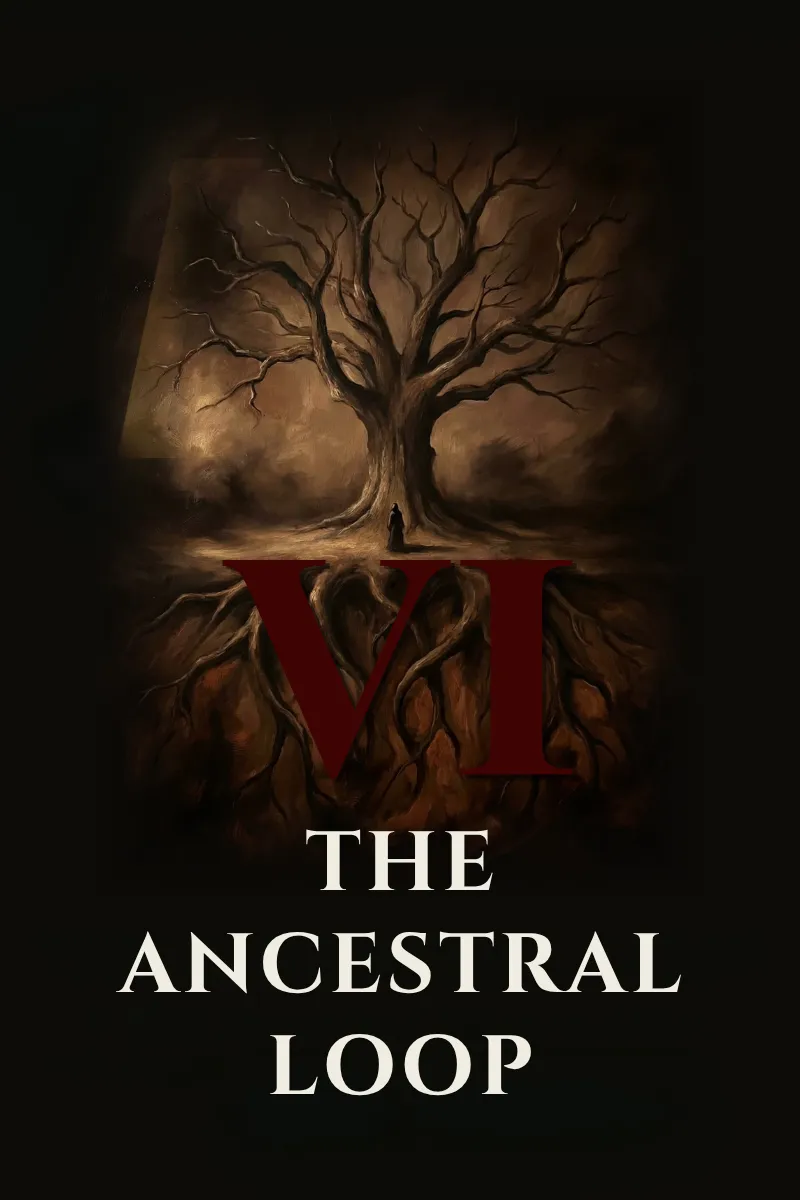
The Ancestral Loop
It Was Never Just Yours to Carry, DNA as the Master Ledger, Epigenetics as the Inheritance Mechanism, and Why Generational Healing Is What Personal Growth Was Always Building Toward.
This paper extends the Mirror Dynamic beyond the individual and into the generations that preceded them. It examines how relational patterns may be shaped before they are consciously chosen through epigenetic regulation, prenatal environment, developmental biology, inherited family systems, and the conditions into which a nervous system is born. Rather than treating generational repetition as fate, karma, or metaphor alone, it asks how biology and environment participate in carrying unfinished patterns forward and what becomes possible when one generation finally interrupts what previous generations could not.
EPIGENETICS
PRENATAL DEVELOPMENT
DEVELOPMENTAL BIOLOGY
INTERGENERATIONAL TRAUMA
FAMILY SYSTEMS
PDF · FULL RESEARCH PAPER
VII
ISSUE
CONSCIOUSNESS & DEVELOPMENT
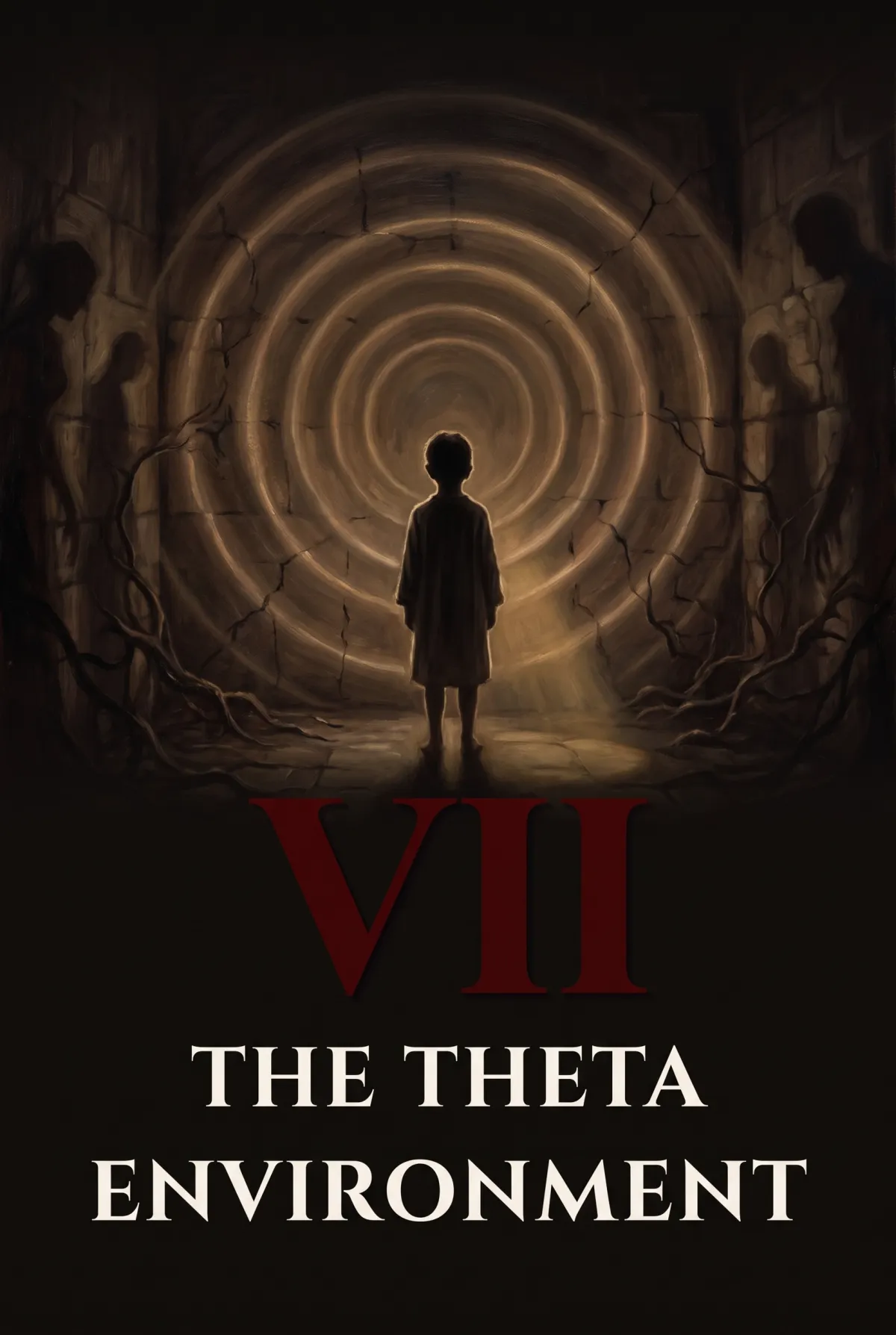
THE THETA ENVIRONMENT
Why Bad Things Happen to Children, the Law of Attraction, the Hypnagogic Brain, and the Environment as the True Point of Attraction.
The final paper in the Mirror Dynamic series confronts the question manifestation culture has struggled to answer: if we create our own reality, how do we explain childhood suffering? Drawing on developmental neuroscience, consciousness studies, epigenetics, polyvagal theory, electromagnetic entrainment, and metaphysical frameworks, it proposes the environment as the child’s primary point of attraction. Before the critical and analytical faculties fully develop, the child is not consciously choosing the field they inhabit; they are being shaped within it. The Theta Environment reframes early conditioning as environmental absorption rather than personal culpability and asks what accountability becomes when the developing nervous system is understood as an open receiver.
DEVELOPMENTAL NEUROSCIENCE
THETA BRAINWAVES
EPIGENETICS
POLYVAGAL THEORY
CONSCIOUSNESS STUDIES
PDF · FULL RESEARCH PAPER
Download the complete
Mirror Dynamic Series
All seven research papers, together in one complete series. Read individually, each paper examines a different layer of the Mirror Dynamic. Read in sequence, they trace the full architecture of the pattern, from the developmental wound and divergent survival adaptations to perception, repetition, interruption, inheritance, and the environment in which the pattern first takes shape.
Seven Papers · PDF Format · Instant Access
THE LOOP EXPLAINED
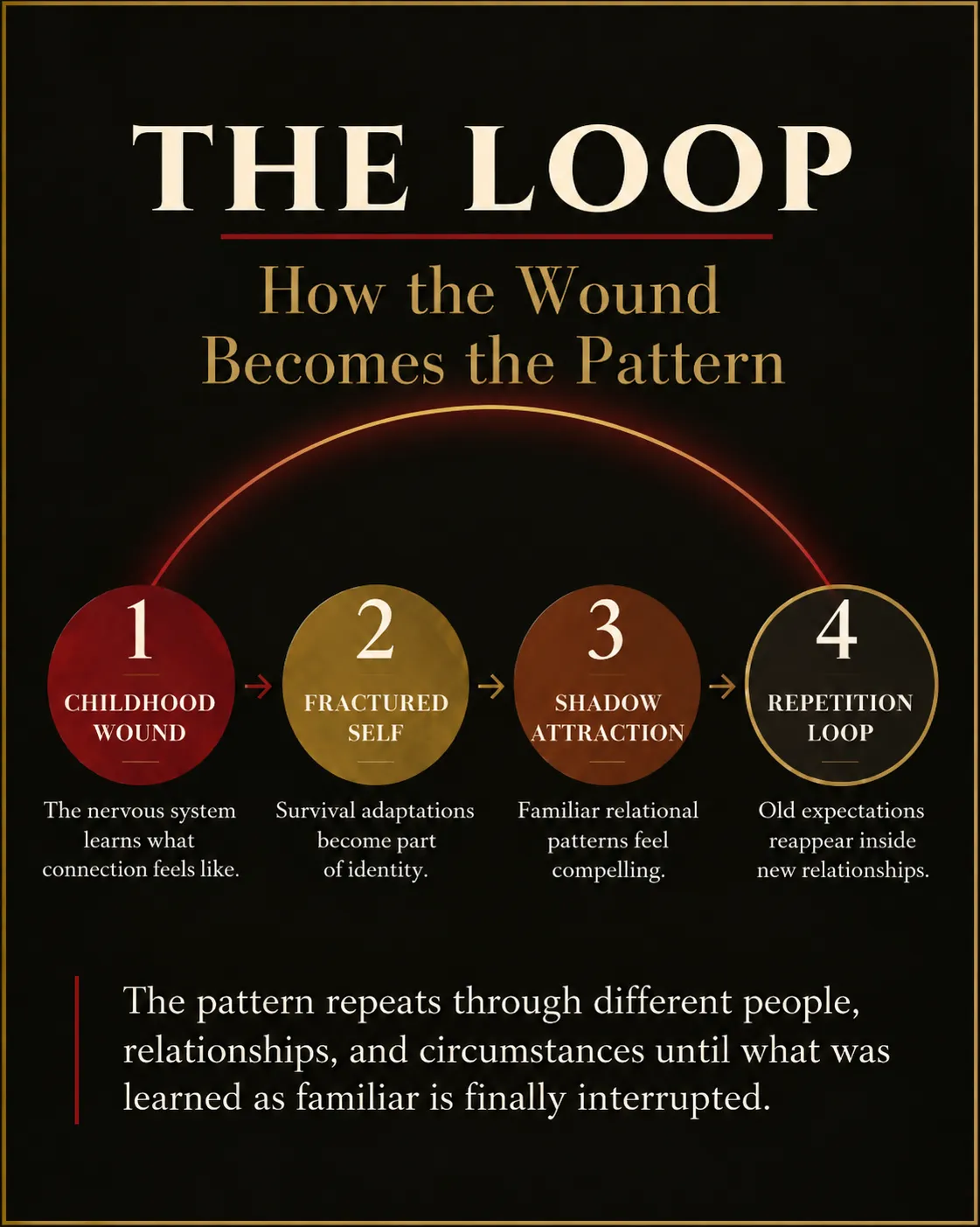
How the wound
becomes the pattern.
The loop is not simply a personality flaw or a failure of decision-making. It is a learned relational pattern shaped by what the developing nervous system came to expect from attachment, safety, love, and belonging. Long before a child has language for what is happening, the system is already learning what relationships feel like and what it may need to become in order to survive them.
1
The Childhood Wound
Conditional love, emotional neglect, unpredictable caregiving, or relational instability. The developing nervous system begins learning what connection, safety, and love are expected to feel like.
2
The Fractured Self
The self adapts to the environment. Hypervigilance, defensiveness, caretaking, performance, withdrawal, or other survival strategies can become organized into identity. What once protected the child becomes part of the relational blueprint.
3
The Shadow Attraction
The nervous system is drawn toward what it already knows how to predict. Familiar relational patterns can feel compelling even when they are painful, allowing complementary wounds and adaptations to recognize and reinforce one another.
4
The Repetition Loop
Old expectations are recreated inside new relationships, circumstances, and identities. Different people can occupy the roles while the underlying pattern remains remarkably familiar, until the pattern itself is interrupted.
BUILT FROM THE RESEARCH THAT CAME BEFORE.
The Mirror Dynamic Theory is a cross-disciplinary synthesis, not a claim of isolated invention. Across the seven-paper series, it draws from established research and theoretical traditions in attachment and developmental psychology, trauma and affective neuroscience, predictive processing, empathy research, depth psychology, memory reconsolidation, epigenetics, sensory processing, and consciousness studies. The framework is original in how these bodies of work are brought together to examine the formation, repetition, and interruption of relational patterns.
ATTACHMENT, DEVELOPMENT
& TRAUMA
John Bowlby
Attachment & Internal Working Models
Bessel van der Kolk
Trauma & Nervous System Adaptation
Allan Schore
Attachment, Affect Regulation & Development
Daniel Siegel
Integration & Interpersonal Neurobiology
Diana Fosha
Attachment, Affect & Transformation
Peter Levine
Trauma & Somatic Processing
NEUROSCIENCE
Karl Friston
Predictive Processing & Free Energy Principle
Jean Decety
Empathy, Social Cognition & Neuroimaging
Joseph LeDoux
Threat Processing & Emotional Learning
Karim Nader
Memory Reconsolidation
ANTONIO DAMASIO
Emotion, Self & Somatic Processing
MARCO IACOBONI
Mirroring & Social Neuroscience
DEPTH PSYCHOLOGY & INTERGENERATIONAL RESEARCH
CARL JUNG
Shadow, Persona & Analytical Psychology
James Hollis
Shadow Integration & the Helping Defense
Rachel Yehuda
Intergenerational Trauma & FKBP5 Methylation
Michael Meaney
Maternal Care, Gene Expression & Stress Reactivity
Brian Dias & Kerry Ressler
Parental Olfactory Experience & Intergenerational Effects
BEGIN WITH THE RESEARCH
READ THE THEORY. FOLLOW THE PATTERN.
DECIDE WHAT YOU THINK.
Seven papers trace the Mirror Dynamic from its developmental origins through recognition, repetition, interruption,
inheritance, and environment. Read the complete series, or continue into the Sacred Rebellion Institute to explore how
the framework moves from theory into practice. The rest follows.
REDANT RISING
The Sacred Rebellion Institute. Research-backed. Radically honest. Built for the people the industry left in the loop.


Mirror Dynamic
Issue II - Suppressed Empathy
Issue III - Break The Loop
Issue IV - The Mask
Issue V - Benevolent Vampire
Issue VI - Ancestral Loop
Issue VII - Theta Environment
Free Downloads
The Dispatches
Full Membership - $99/mo
The Six Pillars
1:1 Mentorship - Apply
The Book Of Tarot
Awaken Intuition
© 2026 RedAnt Rising · Sacred Rebellion Institute · redantrising.com